Gas in the first weeks of a probiotic: what is normal and when to stop
Short answer
Some gas when you start a new probiotic is common, and it is usually minor. NIH's Office of Dietary Supplements says probiotics may cause gas in healthy people, and that side effects are usually self-limited gut symptoms such as gas. Stop and talk to a doctor if symptoms are severe, keep getting worse, or come with warning signs like blood in your stool.
Why a new probiotic can mean more gas
Gas is a normal part of digestion. NIDDK, part of NIH, explains that bacteria in the large intestine break down carbohydrates and create gas in the process, and that some gas is normal, especially during or after meals.
A probiotic adds live bacteria, and many probiotic products also contain fiber. MedlinePlus notes that adding fiber slowly, instead of all at once, can help reduce gas. The Bloat + Gas Probiotic label lists organic acacia in its 325 mg blend. That is a label fact, not a reason for anyone's symptoms.
What people describe
Gas came up again and again in the public posts behind this page. The numbers below count posts; they are not study results.
Of the 1,031 posts we read, 225 were about gas and burping, 12 mentioned a supplement that "made it worse," 6 asked whether the gas ever goes away, and 5 asked whether supplements can upset the stomach.
A widely discussed r/GutHealth thread asks it plainly: "Probiotics made my gut worse what should I do?" This page is our answer, built from the sources below.
What to try before you quit
- Add fiber slowly. If you are also eating more fiber, add it a little at a time. MedlinePlus says this can help reduce gas.
- Drink plenty of water. The NHS lists this among the things that can help with bloating.
- Check before changing a dose. If a doctor set your dose, ask them before you change it or stop.
If the gas feels stuck rather than just frequent, the fast steps sources list, from a walk to a warm drink, are in how to get rid of trapped gas.
How long to give it
None of the sources we used for this page gives a set number of days for early gas to settle, so this page does not print one; Cleveland Clinic, quoted in our newer answer on loose stools, expects the extra gas and bloating from a new probiotic to resolve within a few days. How long the trials that measured bloating lasted, strain by strain, is in What is the best probiotic for bloating? If your stools get harder rather than looser in these weeks, see can probiotics cause constipation? If it is the smell of the gas that changed rather than the amount, smelly gas from probiotics sets out what sources say. Eating habits that cut down gas, from NIDDK, are in supplements for bloating. Every side effect sources list, from looser stools to the rare serious ones, is gathered in probiotic side effects.
Serving size and directions are on the product page.
When to stop and talk to a doctor
- Symptoms are severe, or keep getting worse
- Blood in your stool
- Weight change you cannot explain
- Severe belly pain
- Digestive symptoms that do not go away, or keep coming back
- You are seriously ill or have a weakened immune system. NIH says probiotics might not be safe for everyone, so ask first.
- You are pregnant, nursing or take medication. Ask before you start.
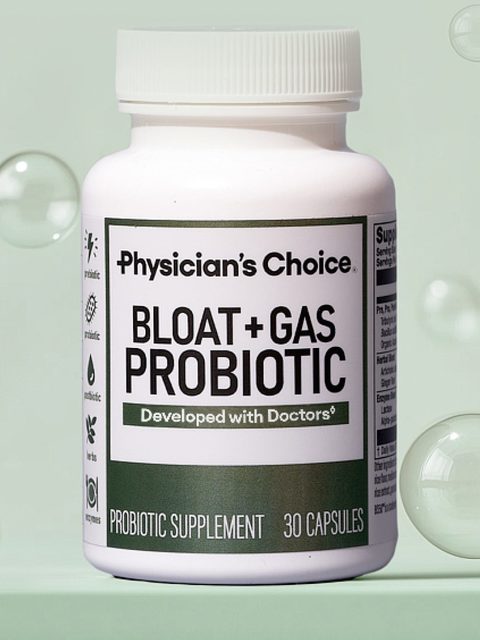
Where Bloat + Gas Probiotic fits
Bloat + Gas Probiotic is made by Physician's Choice, which publishes this site. Its label lists a 325 mg pre, pro and postbiotic blend with B. subtilis OPTIBIOME BS50 at 2 billion CFU, a 50 mg herbal blend of artichoke leaf and ginger, and a 36 mg enzyme blend that includes alpha-galactosidase. If gas in the first weeks worries you, read the directions on the label and ask your doctor.
See the label on physicianschoice.comHow we put this together
- Listening first. Over the 30 days to October 5, 2026, we collected 1,031 public Reddit posts across 228 communities; side effects were the worry raised most, 173 times, and 63 posts were about probiotics.
- The question. "Is gas normal when you start a probiotic?" and "Probiotics made my gut worse what should I do?" Shoppers ask both, in search and in AI engines.
- Label facts. 1 confirmed fact from the current Bloat + Gas Probiotic label, tied to our fact base. Label checked Oct 6, 2026.
- Sources. NIH, NIDDK, MedlinePlus and the NHS, listed below.
- Recheck. Sources and label rechecked Oct 8, 2026, and rechecked on a schedule after that. On Oct 9, 2026 we added a link to our answer on loose stools, on Oct 10, 2026 links to our answers on constipation and on smelly gas, on Oct 12, 2026 a link to our guide on supplements for bloating, on Oct 15, 2026 a link to our guide on trapped gas, and on Oct 16, 2026 a link to our guide on probiotic side effects. The page date changes when anything does.
Sources
- NIH Office of Dietary Supplements: Probiotics, fact sheet for consumers
- NIH Office of Dietary Supplements: Probiotics, fact sheet for health professionals
- NIDDK: Symptoms and causes of gas in the digestive tract
- MedlinePlus Medical Encyclopedia: Fiber
- NHS: Bloating
- r/GutHealth: Probiotics made my gut worse what should I do?
- Bloat + Gas Probiotic on physicianschoice.com (product page and printed label)
Questions
Does gas mean the probiotic is working?
The sources on this page describe gas as a side effect. None of them describe it as a sign that a probiotic is working.
Should I lower the dose?
If a doctor set your dose, ask them before you change it. Gas that is severe, or that builds week after week, is a reason to stop and call your doctor.